Showing posts with label home. Show all posts

Tuesday, April 26, 2011

rain Rain AND MORE RAIN ... part two

Yes, it is still raining here ... lots and lots of rain.

So much rain that the school canceled yesterday (Monday)
and is cancelling today, Tuesday, too.

But, back to the continuation of ... 

Going "to" hell was the first part of the ordeal, and being away from my children.

Going "through" hell was the second part of the ordeal, and being away 
from my children even longer than originally planned.

So here is the second part .. the "going through" part.

On February 12th, I rented another U-Haul and made several trips
to place our belongings into storage.

I had one week until the girls were supposed to come to me, 
and I didn't even have a home for them.

Nor did I have a car, or a job.

Remember, the whole premise of this move in the first place
was that we were going to have a roof over our head, and transportation.

Oh! something I failed to mention in the previous post
was that I was also going to go back to school to get my
Masters in Theology ... and, so, I didn't need to worry about a job, either.

I was planning to substitute at the local schools
every once in a while
for extra money, that's it.

(The school where I want to get my Masters is out of North Carolina, 
and is closer to the Virginia caretaker opportunity, but I had already 
discussed arrangements to complete my coursework online ... so 
living in Missouri was not going to be a problem.)

Anyway, so, no home no car no job ... and my girls were coming in one week.

Talk about hell.

My family back home in TEXAS knew of the situation,
and we all agreed to postpone the girls coming until Spring Break ...
that gave me a little time to figure out what in the hell
I was going to do, and how I was going to do it.

(sorry for all the hell words ... but it is applicable.)

My middle miracle didn't mind the set-back at all ... 
it gave her more time with her friends.

To say she really didn't want to make this move
would be a gross understatement ...
imagine you being 15, and leaving the only life 
you have ever known, and hmmm, yeah.
Enough said.

So I got an immediate job as a waitress at the Redneck Cafe 
... in Alton, Missouri ...
which is another story, in and of itself, but
not one I am sure I am going to tell.

We'll see about that.

Yeah, I'll tell it ... be patient though, for I already have sooo much to tell.


I DID LOVE WAITRESSING THOUGH ... WOW!

For real ... I found myself "at home" tending to people, and 
it was also a great way to meet people ... 
seeing how I, literally, didn't know a single soul there.

On my time off from the Redneck Cafe, I found myself
looking and looking and looking
for a home 
for my children 
which is difficult to do in a small town.

The few homes that were available were not acceptable to me, at all, but
I really wasn't in a position to be picky, either.

Still I held on, and kept looking ... having faith that 
the PERFECT one would eventually present itself.

And it did "present itself" alright ... mhmm ...
ONE WEEK BEFORE THE KIDS WERE SET TO COME
did it finally present itself, and it
 was a filthy mess.

But, filth and all, it was perfect.

It needed a lot of work, and still does, but I immediately set out
to work on it ... elbow grease, and paint, were my first weapons of choice.


It needs a lot of work ... a lot of work ... but its location is perfect ...
on the outskirts of town, just inside the city limits, and it sits on top of a hill.

The lot is big, the neighbors are nice, and the view is beautiful.


~ ~ ~ ~ ~ ~ ~ ~ ~ ~ ~ ~ ~ ~ ~

Sunday, January 30, 2011

Setting Up Safe Haven and Strawberry Jam

Been busy here ... as you can imagine ...
with homemaking chores, and homesteading routines,
and whatnot.

At this point, the focus is just upon emptying boxes.

I'll figure out where everything will "best go" later.

Here is my safe haven.


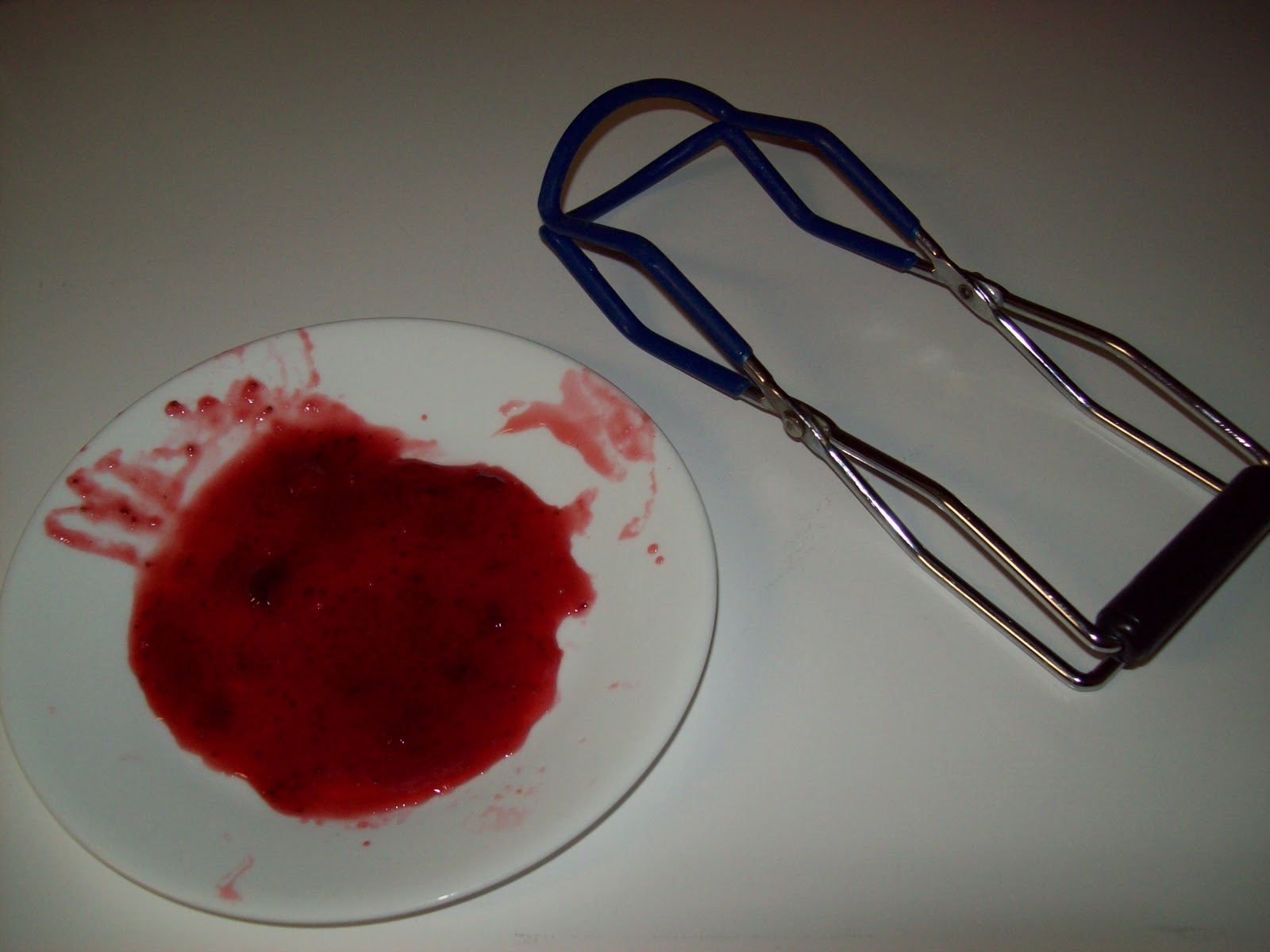
And here is my Strawberry Jam-Making Session.


The jam didn't "set" all the way solid ...
the only thing I can figure I did wrong was
I added six cups of sugar, and not seven.

It still tastes delicious ... as you can imagine.


Thursday, December 9, 2010

She Said "I'm Gonna Hire a Wino ..."

... to decorate our home.

(Who remembers that song?)


So I've been collecting wine bottles.
I have several in storage.

These, ten, are from, ahem, Thanksgiving ... yes,
my family had a lot to be thankful for.

My initial inspiration was to use the dark green glass
to hold, and preserve, my homemade
colloidal silver someday.

I need to get a colloidal silver generator, first,
and then that'll be another fascinating topic ...
but for now I'm thinking I will use the dark brown glass
of beer bottles for that endeavor instead.

Anyway, I remembered something I saw a couple of years ago.


Drinking glasses, aka tumblers, made out of wine bottles!

I remember trying to research how to cut the glass ...
but I seem to remember it's arduous.

I also remember something about blow-torches
and some kind of special cutter thingy
and files and vices and water
and all sorts of intimidating things.

And it all seemed so very complicated.

But now my interest has been revived, and I think
I will look back into it.

Some fancy-smancy magazine was selling a set of four
for, like, $200 or some crazy price like that.

I'm thinking they'd make great gifts ...
after my shelf is full of various sizes
for my own pleasure and use :)


My little brother is a bartender at Copper Creek
and I can get access to all kinds of bottles
of all different colors ... woo-hoo!

Friday, December 3, 2010

Wall of Books


So this same local B&B
that did the copper penny backsplash
... which, by the way, I found out took 2700 pennies ...
also got creative with old books.

2700 pennies is only $27 ... right?

I am friends with these guys on Facebook,
and follow their recycling/renovation projects.


This project used to be an old dance hall.

The wall is covered was 30 feet long, and 10 feet high.
It took 350 book covers .

Interesting project, but not for me ... I don't think.

Too busy looking ... but maybe it's all the stuff.

I'd stick with soft browns and creams if I were to do it,
and have very minimal decorations and furniture.

I think the busyness takes away from the art of the wall.

But, that's just me.

I am more of a minimalist ... I don't do "clutter" very well,
and don't need a lot of "stuff."

I do LOVE the cubby-hole bookshelf though ...
love, Love, LOVE IT.

I can sooo see my collection of special rocks,
and Nani's retired boots
in there.


You can see the penny backsplash in this photo.
You can click on the photos to get a larger view.


Love y'all.

Thursday, December 2, 2010

Copper Penny Backsplash


I so, totally, want to do this someday.


These photos are from a local B&B, off of Sayles Boulevard, here in Abilene.

I think I can imagine how it was done ... just regular adhesive?  Regular grout?

Any ideas or pointers?


Sunday, November 21, 2010

I Love to Make Soap


This round of soapmaking consisted of cocoa & oatmeal,
coffee, and cornmeal with milk & honey.


Here they are outside curing/drying.


I trim the edges of the bars ... and handshape each one ... 
while they are still pliable.

With the scraps from the trimmings I form soapballs.

No two bars are exactly alike ...
hardly perfect, or professional, at all.

But I like them.
A lot.

Monday, November 1, 2010

The Answer to Closet Clutter - A Cultural Perspective

By Suzanne Saxe-Roux


There are a variety of things Americans have learned from the French, but when it comes to closets, it is not one of them. For the past two years, my husband, young daughter and I moved to France to live in a small country village and take time off from our life to rejuvenate and figure out the next phase of life. Our goal was not specifically to simplify, but to live a different life that would provide balance unknown to most professional dual-career couples. Simplification however comes in many forms, and learning what the French have to teach us is what we were after.

French homes, many of which are hundreds of years old, all have one thing in common: no closets. They just aren't built. Gorgeous wooden armoires, tall as the ceilings, new modern creations, and cupboards are used, but not closets.

Moving into our home for year-round living, we had to figure out some method to handle all of the clothes, books, and work supplies we had mailed from California. We didn't want to invest in furniture, but instead pulled upon our college day resources and nailed heavy-duty antique hooks on the wall and purchased old coat racks with character for hanging clothes. This worked fine until all of our winter clothes arrived by post in large boxes. Figuring out where to put the additional clothes was one problem, but the fact that they were winter clothes (heavier, thicker, and bulkier) posed another.

With no closets, there is just only so much room. Trying to stuff old jeans and winter coats into the back of a closet was not a possibility; there was no closet. Hanging them on the coat racks and hooks just wouldn't do (the weight was more than they could take) — thus the reason closets were built. However, here we were and we had to figure out what to do before the hat racks tipped over and the hooks came out of the wall.

By necessity, we decided to clean out last season's clothes. Yes, no, it fits, it's too small, it doesn't flatter me, do I look fat? All these questions we went through while deciding if the object was worth packing away. My daughter's wardrobe luckily changed every six months as she grew taller. Next winter, the jeans would definitely be too short and the coat, well maybe? Convincing her however that the red cowboy boots would be too small, took time and the promise of a replacement. With this completed, we thought we could fit the clothes on the racks and in the drawers.

Not needing an assortment of corporate clothes, my husband and I chose a week's worth of outfits we might need and hung them on a rod pushed between the plumbing in a tiny cubbyhole under the stairs. Our major corporate wardrobe, which we can barely remember, was left in storage in California. That's another story about hanging on to stuff you don't need or want.

Living in the French countryside, our need for clothes has been reduced to a few basic items with some wonderful scarves and accessories to create the sense of a lá Française. Not being bombarded by beautiful stores and the newest fashion, I've been able to not be enticed to buy, buy, buy and get away with a spring and autumn shopping trip for those must have peach colored capris and black leather boots. It's a very different experience from my frequent, "I'll just pop in," trips to Nordstrom's. These trips also spur us on to getting rid of something else. My husband's favorite sweater he wore all winter was great last year, but now it looks tattered, full of little balls, and basically old and worn out. With little argument he agrees to replace the old with the new and we are all happier.

Each season we replace our coat racks, hooks, and drawers with the next season's clothes. If it doesn't fit in our small space, we start over, clean out and get rid of something. Twice a year in our village, a "vide de grenier" ("clean out your attic") sale is hosted in the Place du Marche. At 8:00 on a sunny Sunday, families come out with boxes of outgrown clothes, bikes, knickknacks, toys and books. By 5 P.M., what is not sold can be donated to charity and we all leave with some money in our pocket and usually more books and toys that Zoe has bought with the money she earned.

This works great for clothes because our needs and space are less, but when it comes to books, the whole family is a little less disciplined. "Let's just get another bookshelf," my daughter says after reviewing her collection of over a hundred French comic books. A library would be wonderful, and we do have the school library nearby in French, but when it comes to English books we have to buy them. Luckily Amazon now has tons of used books to buy that are stacked up around our office, but when it comes to paperback novels, I found the solution. A used bookstore in a nearby village accepts my English novels and I get new ones in return. Zoe sells a few comic books and gets a few more as well. We give, we get, and we pay just a little and my daughter is learning about buying and selling.

I have to say however, living without closets feels somewhat Zen-like, requiring us to clean out our clothes at least twice a year, donate, recycle, pack away for the winter and replenish for the summer. This alone is important for the psyche and soul to feel free versus cluttered.

Color and Mood

Psychologists have long since theorized that people's preferences for color, and color mixes, have deep psychological affects upon your mood and/or feelings.

In fact, research does suggest that color can affect your being and that your choice of color, or combinations of color, is significant to your mood.

An example of this is that healthy people will prefer colors, and color mixtures, that reflect their health both physically and mentally.

Furthermore, your color preferences are not necessarily fixed and they will vary even within a given day depending on your mood.

Recent studies suggest that we don't actually see color, but "feel" it instead.

Colors behave in three basic ways: active, passive and neutral.

If you remember the basics between these three actions, you can decorate and dress for success.

ACTIVE COLORS 

Active colors are warm colors, including yellow, orange and red. These colors inspire positiveness and exude confidence from extroverts. Warm colors can also inspire conversation and upbeat attitudes. Reds heat up a room like no other hue. Wake up an entryway with fire engine red or warm a den with deep maroon. Yellows and golden colors unleash creative activity and work well in offices, kitchens and study areas.

PASSIVE COLORS

Cool colors pacify and restore. Bedrooms, private areas and bathrooms are great places for blues, greens and purples.

NEUTRAL COLORS

Think of neutralizing colors as "uncolors." Beiges, grays, whites and taupes do not activate or pacify. Instead, they work together with the other colors to bridge rooms and provide transition.

PAINTING WALLS

You can easily change the look or feel of a room by redressing the walls. Mixing and matching colors within the same color scheme is an excellent way to balance color and emotion, and provide a welcoming feel to guests. The following gives a general guideline for wall painting and mood when using passive, active and neutral colors:

NEUTRAL COLORS

Neutral colors, such as pale gray, taupe and beige, send a restful message to your brain. It's not a coincidence that most doctor's offices, coffee shops, spas and mental health centers decorate in neutrals. Neutral colors can actually "destress" individuals.

BRIGHT, WARM COLORS

To create a feeling of warmth and coziness in a room, use bright, warm colors like yellows, oranges and reds. These colors make good choices for rooms that appear cool due to limited, natural sunlight. Mixing several different shades of warm colors evokes positive, cheerful reactions.

YELLOWS

Yellow color schemes add cheeriness to dull rooms. Therapists often use colors with the yellow scheme to boost mood. You can achieve the same effect by adding yellows to rooms which are not associated with happy thoughts, such as kitchens and laundry rooms. Yellows can also be used to increase energy.

COOL COLORS

In rooms where there's plenty of sunshine, cool colors can provide a calming ambience. Sage greens and sky blues are perfect for bedrooms, playrooms and activity areas. Other cool colors, such as blues and greens, can evoke quiet moods and even sadness. For this reason, cool colors aren't generally used in large areas.

PRIMARY COLORS

Let your playful side come out by painting with the primary colors. Young, playful moods are brought to the surface with primary colors. Children's bedrooms are a great area to use primary colors in.

REDS

Red is a power color, often used to invigorate your environment. Red is also said to stimulate and symbolize passion. Remember that red hot date dress?

COLORS BY MOOD

Here's a quick rundown of individual colors and the moods they support.

PINK-soothes, promotes affection.

YELLOW-cheers, increases energy, expands the size of a room.

WHITE-purifies, unifies, enlivens other colors.

BLACK-authoritative, shows discipline, encourages independence.

ORANGE-cheers, stimulates appetite and conversation.

RED-empowering

GREEN-balances, refreshes

PURPLE-comforts, creates mystery

BLUE-relaxes, cools

TIPS AND TRICKS

COOL colors make a room seem larger than it is, and WARM colors make rooms feel smaller. 

Mixing different shades of beige and white will add a classy feel to any size room.

To temper wall color choices, pick out furniture and accessories that will provide a visual contrast. Brick-red painted trim, for example, can be balanced with antique-white rugs.

Cleaning with Vinegar

Vinegar as a disinfectant?

Heinz company spokesperson Michael Mullen has cited numerous studies to show that a straight 5 percent solution of vinegar such as you can buy in the supermarket kills 99 percent of bacteria, 82 percent of mold, and 80 percent of germs (viruses). He noted that Heinz can't claim on their packaging that vinegar is a disinfectant since the company has not registered it as a pesticide with the Environmental Protection Agency (EPA). However, it seems to be common knowledge in the industry that vinegar is powerfully antibacterial.

White Distilled vinegar is best for cleaning

Maybe the oldest use for vinegar yet (besides as a food) is for cleaning, and it is much safer than using commercial products.

Window Cleaner

A quarter cup in a quart of water makes a good window cleaner. When you use vinegar in your water to wash windows, dry with newspapers. Your windows will sparkle! Keep a solution of 50/50 white vinegar and water in a spray bottle to use for cleaning windows.

Tarnished Copper

On heavily tarnished copper or copper-alloy to be cleaned up, use a paste made of salt and vinegar.

Dishes

White vinegar mixed with water for rinsing off the dishes after washing them takes the soap off and leave them squeaky clean. This also takes the soap residue off of your hands at the same time.

Pour 1/4 cup vinegar with dish soap-water must be hot (not boiling hot). This is great for cleaning your Corningware dishes (it removes all the stains and grease), cleaning your stainless steel pots and pans etc., clean your oven and all of stove top (this is better than oven cleaners. it will remove all of the grease. just dab on and let it set for a few minutes then wipe clean), and cabinets in kitchen.

Pour 1/4 cup vinegar to your dishwasher rinse cycle for streak free, sparkling dishes every time!!

Floor Cleaner

Add 1/2 cup vinegar to a gal. Of water to keep your vinyl no wax floors clean and shining.

Those mops with the detachable, washable heads, and squirt distilled vinegar on the floor, mop it up and squirt more as needed.

Carpet Spot and Stain Remover

***This REALLY works***

As a carpet spot and stain remover -take a trigger spray bottle and fill with one part white vinegar to seven parts water. Take a second spray bottle and fill with one part white, non-sudsy ammonia and seven parts water. Saturate stain with vinegar solution. Let dwell for a few minutes and blot thoroughly with a clean, white cloth. Then go over the area with the ammonia solution, let dwell and blot again. Repeat until the stain is gone.

Coffee Maker

Fill the water reservoir half way and run the coffee maker as you normally do and then run it once full of water and the coffee maker will be spotless.

Grease Cutter

Vinegar is an excellent grease cutter. In college cafeterias we boil out our fry vats every week with vinegar and water. Very cost effective and very safe-no harsh chemicals, no risk of fire. We also use straight vinegar to clean the grill hoods. Again, very inexpensive and does a fantastic job.

Waxing a Floor

When waxing a floor after scrubbing with a floor stripper, use 1 cup of vinegar to rinse water. It neutralizes the chemicals and makes wax or floor finish adhere better.

Oven Cleaner

To keep your freshly-cleaned oven from stinking up your house next time you bake something, wipe it with white vinegar poured directly on the sponge as a final rinse. It neutralizes the harsh alkali of oven cleaners.

Remove Water Stains

Remove water stains from leather by rubbing with a cloth dipped in a vinegar and water solution.

Remove Staining Flower Pots

That staining that occurs in clay and plastic flower pots and their saucers comes right out--no scrubbing needed. Just fill the kitchen sink with cold water and add plain white vinegar about 2/3 water-1/3 vinegar. Soak pots and saucers till they look clean and new (sometimes takes an hour). Wash with soap and water before reusing.

Clean Raw Wood

White vinegar can also be used to clean raw wood, such as a wooden cutting board. Pour straight vinegar onto the wood and then use a sponge to literally push the dirt away. Be sure to wipe in the direction of the wood grain, starting at one end and working to the other. This way the dirt you are trying to get rid of won't be pushed back into the wood grain.

Whirlpool Tub

Pour 1 gallon of white vinegar into the water of our whirlpool tub, once a year and run it. This will keep the jets from clogging up from soap scum, etc.

Cheap Cleaning Solution

1/3 part white vinegar
1/3 part rubbing alcohol
1/3 part water
3 drops dishwashing liquid

Mix this into a (recycled) spray bottle and you have the equivalent of the floor cleaner. Just spray and mop; also great for deodorizing a room and for a fast cleanup. Use this on any tile floors with great results, the alcohol is added to make it dry faster.

Hard Water Deposits

Use vinegar to get rid of the hard water deposits around your sink. Soak a paper towels with vinegar and place them around the area that needs to be cleaned or for cleaning the faucet you can soak the towel and wrap it around and then rubber band it in place. Do this overnight and the next morning it's a cinch to wipe clean. This has been safe for brass faucets as well.

Microwave

Clean your microwave, use 1 Tablespoon of vinegar, one cup of warm water and 1 or 2 drops of dish soap in a small microwave safe bowl. Put it in the microwave on high for 3-4 minutes and let stand for 15 minutes. Then wipe the microwave out with a damp sponge. The steam and use of vinegar loosens up the build up in the microwave.

Furniture Polish

Furniture polish using equal parts of white vinegar and vegetable oil. Wipe it on and buff with a soft cloth.

Brassware

To clean brassware to like-new condition without scrubbing, soak in 1:10 parts of white vinegar: water. To clean brass lamps, unscrew sections, soak in bucket. All green and black tarnish comes off in no time.

Steam Vac

Use distilled vinegar steam vac to rinse your carpets with after shampooing. The carpet will stay fresh longer, it removes any detergent residue. Use a quarter of a cup, per gallon of water.

Rust off Cast iron

White vinegar solution 2 parts vinegar 1 part water to clean the rust off cast iron pans. Cleaning antique cast iron pans soak the pan overnight in the vinegar solution and the vinegar just dissolves the rust. Very rusty pans many take an extra evening. Don't leave it in there too long or you will not have a pan. The vinegar actually dissolves the metal. This would work on new cast iron pans also.

Antique Appliances

For cleaning antique appliances: Pour white vinegar straight out of the bottle onto a sponge, or pour it into a dishpan to soak stubborn buildup for a few minutes. After your appliance's first-time cleaning, future quick cleanups are easiest using a small spray/squirt bottle with diluted vinegar-water.

A Peaceful Environment

by Soulful Survivor

Today, we are a culture of overwhelming noise and technology. We are, in essence, overstimulated, overeating, and overstressing because of an almost universal access to technology. The average child spends 8 hours in front of a video game or a computer screen, and we have the nerve to act surprised that childhood obesity and depression have become epidemics???

To begin creating a peaceful environment, turn off the television, radio, computer, XBox, iPod, and other electronic devices that create distractions. This will take some discipline, for we have also become a society that must be spoon-fed our information.

We have been taught that silence means "Alone," and "Alone" is intolerable. Five years ago, my spouse and I chose to turn off the cable - the first step in eliminating background noise, as well as eliminating an outrageous payment for something that brought nothing positive into our lives. In the quiet, we had to re-learn the art of conversation and actually began to COMMUNICATE with one another.

Quiet helps to quiet the soul, once we've become accustomed to it. We can think more clearly without the clutter of background noise, or the audible and visual distractions of the devices. When we can think more clearly, we can actually begin to listen to our inner voice(s). The inner voice can become overwhelming, at times, but we can also teach ourselves how to monitor that voice. We can also learn to tap into the creativity of that inner voice and accomplish things that we never thought were possible while the television was blaring, the computer was printing, and the video games were ruining our eyesight.

With a new-found comfort in silence, we learn that being "alone" doesn't necessarily mean that we are "lonely." We can begin exploring interests in things that, previously, were ignored because we were scheduling our lives around programs, video games, computer chat rooms, etc. We can actually use that time to promote a positive interest.

Quiet is peaceful.......peaceful is helpful to mind, body, and soul. Our homes should be the most peaceful places that we can contrive them to be in this day and age of instant gratification and over-stimulation. Take time to embrace the quiet and make positive changes in your own living space.

Monday’s the Day We Wash Our Clothes

By Dan Phillips

I grew up in a family that was quite privileged. We had chickens, a milk cow, ducks, horses, a garden, and we had a washing machine. And it was a modern one—completely electric. It had two rubberized cylinders on the top that you fed the wet clothes through, and, like magic, all the water was squeezed out. The de-watered clothes dropped into a basket, ready for the clothesline.

After each wash- or rinse cycle, my mother would empty the water onto the back lawn. That part of our lawn was always the greenest and needed constant mowing (the push type—no motor). 

And our clothesline wasn’t simply a rope between two trees. Oh, no. It, too, was quite modern. It looked like an upside down beach umbrella, without the canvas.

On wash day my mother would simply get this contraption out, put the pole in a hole in our back patio, open the arms with the lines running between them, and, voila! She was ready to hang out the wash.

It is amazing to me that there are occasionally people who don’t know what a clothespin is. There were many varieties, but the clothespins of choice were either the single peg with a split halfway up, or the more modern ones that were spring loaded. (These could be fashioned into a small firearm that shot spit-wads across the schoolroom.)

I remember numerous times that, after the first crack of thunder, we would all rush out and yank the clothes—dry or not—off the line and race back inside. Especially in March when there were always afternoon breezes, the clothes smelled clean and fresh, and crawling between those sheets was one of the cameo pleasures of my childhood.

Sometimes the family schedule meant that the clothesline pole graced the backyard during the entire week. But the clothes were religiously whisked off when they were dry.

I also remember when clothes dryers first became popular. They seemed extravagant to me. Not only did the clothes not smell as fresh, but also they ran up the electric bill. And when the new automatic clothes washers became popular (we never could afford one), it was the subject of a good bit of conversation.

I remember my uncle explaining to me how the clothes got wrung out. It was a technical discussion, having to do with centrifugal force—my first brush with that scientific concept. And then the expended water simply ran down the drain to the sewer. That meant that you could have a washing machine inside the house without having to run a hose through the house to the garden. Wow!

And automatic dryers worked on the principle of fluffing and tumbling the wet clothes while all the while blowing hot air on them. I knew I was living during an age of great invention.

But college obliterated all those memories. The only way to wash clothes was in the dorm laundry, and I quickly became accustomed to that mode. And I realized that my childhood had indeed been a bit humble when I would go home for the weekend, and see the clothes on the line. Because, of course, that was old hat and the modern way was having a washer and dryer. After all, I learned that in college.

But somewhere between those days and now, the world changed. Who would have thought we would be buying water in bottles and that it would be hotly competed for between communities in a region? After all, gas was 24 cents a gallon in those days (premium), and so it was a ridiculous notion that one would ever pay for a gallon of water in its own container.

But sure enough the world changed. And even though we wash our clothes in the newfangled way, we now have to start paying attention to water and energy use. A toploading washer uses about 42 gallons of water per load, while a front-load type uses about 14. And so when our own washer craters, we will go for the front-loading type.

And I can assure you that clotheslines do work, just not very often in these parts. For most of the year in Huntsville, Texas, if you hang your wash out to dry, it will take about ten days to actually dry. In fact, during some parts of the year, your clothes quite likely would grow moss before they would dry. But during the less humid weather, you might try running a rope between two trees (if you’re not privileged like I was), hang out your wash, and then celebrate the pastoral pleasure of wind-fresh sheets.

And the Texas Commission on Environmental Quality does allow you to expend washing machine water on your lawn or garden, but you must be very careful that it doesn’t pond.  It needs to have good drainage and soak into the soil.

The Texas Veteran’s Land Board actually encourages clotheslines, and gives you a point on their sustainability checklist if you have one. You get three points if you have a frontloading washing machine.

But just like your dishwasher, if you run half-loads or quarter loads in your washing machine, you’re being a bit piggy. It’s not an issue of whether you can afford the energy or water bill, it’s an issue of whether the community can afford to provide you with resources that you waste.

Water is getting to be an issue. Ask any of the city staff. And at the same time ask them if they think water is going to get cheaper. Their short answer will be “No.” The long answer will begin to worry you more than you are worrying now.

While worrying isn’t a very good habit, it might be worth it to imbibe in a bit of healthy worrying about water. Unless, of course, you don’t use water.

Non-Toxic Home Cleaning

Today's modern home is loaded with toxic and polluting substances designed to make domestic life easier.

The cost of these commercial, chemical-based products can be high ... long term health concerns for the family, and environmental pollution caused by their manufacture and disposal.

In the US, for example, 1 in 3 people suffer from allergies, asthma, sinusitis or bronchitis.  Treatment for these conditions should include reducing synthetic chemicals in the home environment.

For many home-cleaning chores, you can make your own cleaning products using the formulas listed below.

Homemade Substitutions

There are many inexpensive, easy-to-use natural alternatives which can safely be used in place of commercial household products.

Here is a list of common, environmentally safe products which can be used alone ... or in combination ... for a wealth of household applications.

Baking Soda - cleans, deodorizes, softens water, scours.

Soap - unscented soap in liquid form, flakes, powders or bars is biodegradable and will clean just about anything. Avoid using soaps which contain petroleum distillates.

Lemon - one of the strongest food-acids, effective against most household bacteria.

Borax - (sodium borate) cleans, deodorizes, disinfects, softens water, cleans wallpaper, painted walls and floors.

White Vinegar - cuts grease, removes mildew, odors, some stains and wax build-up.

Washing Soda - or SAL Soda is sodium carbonate decahydrate, a mineral. Washing soda cuts grease, removes stains, softens water, cleans wall, tiles, sinks and tubs. Use care, as washing soda can irritate mucous membranes. Do not use on aluminum.

Isopropyl Alcohol - is an excellent disinfectant.

(It has been suggested to replace this with ethanol or 100 proof alcohol in solution with water. There is some indication that isopropyl alcohol buildup contributes to illness in the body.)

Cornstarch - can be used to clean windows, polish furniture, shampoo carpets and rugs.

Citrus Solvent - cleans paint brushes, oil and grease, some stains. (Citrus solvent may cause skin, lung or eye irritations for people with multiple chemical sensitivities.)

Formulas

Combinations of the above basic products can provide less harmful substitutions for many commercial home products. In most cases, they're also less expensive.

Here are some formulas for safe, alternative home care products:

Note: These formulas and substitutions are offered to help minimize the use of toxic substances in your home. Results may vary and cannot be guaranteed to be 100% safe and effective. Before applying any cleaning formulations, test in small hidden areas if possible. Always use caution with any new product in your home.

Make sure to keep all home-made formulas well-labeled, and out of the reach of children.

All-Purpose Cleaner: Mix 1/2 cup vinegar and 1/4 cup baking soda (or 2 teaspoons borax) into 1/2 gallon (2 liters) water. Store and keep. Use for removal of water deposit stains on shower stall panels, bathroom chrome fixtures, windows, bathroom mirrors, etc.

Another alternative is microfiber cloths which lift off dirt, grease and dust without the need for cleaning chemicals, because they are formulated to penetrate and trap dirt. There are a number of different brands. A good quality cloth can last for several years.

Air Freshener

• Baking soda or vinegar with lemon juice in small dishes absorbs odors around the house.

• Having houseplants helps reduce odors in the home.

• Prevent cooking odors by simmering vinegar (1 tbsp in 1 cup water) on the stove while cooking.
To get such smells as fish and onion off utensils and cutting boards,
wipe them with vinegar and wash in soapy water.

• Keep fresh coffee grounds on the counter.

• Grind up a slice of lemon in the garbage disposal.

• Simmer water and cinnamon or other spices on stove.

• Place bowls of fragrant dried herbs and flowers in room.

Bathroom mold: Mold in bathroom tile grout is a common problem and can be a health concern. Mix one part hydrogen peroxide (3%) with two parts water in a spray bottle and spray on areas with mold. Wait at least one hour before rinsing or using shower.

Carpet stains: Mix equal parts white vinegar and water in a spray bottle. Spray directly on stain, let sit for several minutes, and clean with a brush or sponge using warm soapy water.

For fresh grease spots, sprinkle corn starch onto spot and wait 15 - 30 minutes before vacuuming.

For a heavy duty carpet cleaner, mix 1/4 cup each of salt, borax and vinegar. Rub paste into carpet and leave for a few hours. Vacuum.

Chopping block cleaner: Rub a slice of lemon across a chopping block to disinfect the surface. For tougher stains, squeeze some of the lemon juice onto the spot and let sit for 10 minutes, then wipe.

Coffee and tea stains: Stains in cups can be removed by applying vinegar to a sponge and wiping. To clean a teakettle or coffee maker, add 2 cups water and 1/4 cup vinegar; bring to a boil. Let cool, wipe with a clean cloth and rinse thoroughly with water.

Deodorize

• Plastic food storage containers - soak overnight in warm water and baking soda

• In-sink garbage disposal units - grind up lemon or orange peel in the unit

• Carpets - sprinkle baking soda several hours before vacuuming

• Garage, basements - set a sliced onion on a plate in center of room for 12 - 24 hours


Dishwasher Soap: Mix equal parts of borax and washing soda, but increase the washing soda if your water is hard.

Disinfectant: Mix 2 teaspoons borax, 4 tablespoons vinegar and 3 cups hot water. For stronger cleaning power add 1/4 teaspoon liquid castile soap. Wipe on with dampened cloth or use non-aerosol spray bottle. (This is not an antibacterial formula. The average kitchen or bathroom does not require antibacterial cleaners.)

To disinfect kitchen sponges, put them in the dishwasher when running a load.

Drain Cleaner: For light drain cleaning, mix 1/2 cup salt in 4 liters water, heat (but not to a boil) and pour down the drain. For stronger cleaning, pour about 1/2 cup baking soda down the drain, then 1/2 cup vinegar. The resulting chemical reaction can break fatty acids down into soap and glycerine, allowing the clog to wash down the drain. After 15 minutes, pour in boiling water to clear residue. Caution: only use this method with metal plumbing. Plastic pipes can melt if excess boiling water is used. Also, do not use this method after trying a commercial drain opener--the vinegar can react with the drain opener to create dangerous fumes.

Fabric softener: Add 1/2 cup white distilled vinegar or 1/4 cup baking soda to your laundry, and spray a small piece of cloth with an essential oil and toss it in your dryer.  To reduce static cling, dampen your hands, then shake out your clothes as you remove them from the drier. Line-drying clothing is another alternative.

Floor Cleaner and Polish

Vinyl and Linoleum: mix 1 cup vinegar and a few drops of baby oil in 1 gallon warm water. For tough jobs, add 1/4 cup borox. Use sparingly on lineoleum.

Wood: apply a thin coat of 1:1 vegetable oil and vinegar and rub in well.

Painted Wood: mix 1 teaspoon washing soda into 1 gallon (4L) hot water.

Brick and Stone Tiles: mix 1 cup white vinegar in 1 gallon (4L) water; rinse with clear water.

Most floor surfaces can be easily cleaned using a solution of vinegar and water.

For damp-mopping wood floors: mix equal amounts of white distilled vinegar and water. Add 15 drops of pure peppermint oil; shake to mix.

Furniture Polish: For varnished wood, add a few drops of lemon oil into a 1/2 cup warm water. Mix well and spray onto a soft cotton cloth. Cloth should only be slightly damp. Wipe furniture with the cloth, and finish by wiping once more using a dry soft cotton cloth.

For unvarnished wood, mix two tsps each of olive oil and lemon juice and apply a small amount to a soft cotton cloth. Wring the cloth to spread the mixture further into the material and apply to the furniture using wide strokes. This helps distribute the oil evenly.

Laundry Detergent: Mix 1 cup Ivory soap (or Fels Naptha soap), 1/2 cup washing soda and 1/2 cup borax. Use 1 tbsp for light loads; 2 tbsp for heavy loads.

Lime Deposits: You can reduce lime deposits in your teakettle by putting in 1/2 cup (125ml) white vinegar and 2 cups water, and gently boiling for a few minutes. Rinse well with fresh water while kettle is still warm.

Marks on walls and painted surfaces: Many ink spots, pencil, crayon or marker spots can be cleaned from painted surfaces using baking soda applied to a damp sponge. Rub gently, then wipe and rinse.

Metal Cleaners and Polishes

Aluminum: using a soft cloth, clean with a solution of cream of tartar and water.

Brass or Bronze: polish with a soft cloth dipped in lemon and baking-soda solution, or vinegar and salt solution. Another method is to apply a dab of ketchup on a soft cloth and rub over tarnished spots.

Chrome: polish with baby oil, vinegar, or aluminum foil shiny side out.

Copper: soak a cotton rag in a pot of boiling water with 1 tablespoon salt and 1 cup white vinegar. Apply to copper while hot; let cool, then wipe clean. For tougher jobs, sprinkle baking soda or lemon juice on a soft cloth, then wipe. For copper cookware, sprinkle a lemon wedge with salt, then scrub., A simpler method is to apply a dab of ketchup on a soft cloth and rub over tarnished spots.

Gold: clean with toothpaste, or a paste of salt, vinegar, and flour.

Silver: line a pan with aluminum foil and fill with water; add a teaspoon each of baking soda and salt. Bring to a boil and immerse silver. Polish with soft cloth.

Stainless Steel: clean with a cloth dampened with undiluted white vinegar, or olive oil. For stainless cookware, mix 4 tbs baking soda in 1 qt water, and apply using a soft cloth. Wipe dry using a clean cloth. For stainless steel sinks, pour some club soda on an absorbant cloth to clean, then wipe dry using a clean cloth.

Misc


Mold and Mildew: Use white vinegar or lemon juice full strength. Apply with a sponge or scrubby.

Mothballs: The common mothball is made of paradichlorobenzene, which is harmful to liver and kidneys. Cedar chips in a cheesecloth square, or cedar oil in an absorbant cloth will repel moths. The cedar should be 'aromatic cedar', also referred to as juniper in some areas. Cedar chips are available at many craft supply stores, or make your own using a plane and a block of cedar from the lumberyard.

Homemade moth-repelling sachets can also be made with lavender, rosemary, vetiver and rose petals.

Dried lemon peels are also a natural moth deterrent - simply toss into clothes chest, or tie in cheesecloth and hang in the closet.

Oil and Grease Spots: For small spills on the garage floor, add baking soda and scrub with wet brush.

Oven Cleaner: Moisten oven surfaces with sponge and water. Use 3/4cup baking soda, 1/4cup salt and 1/4cup water to make a thick paste, and spread throughout oven interior. (avoid bare metal and any openings) Let sit overnight. Remove with spatula and wipe clean. Rub gently with fine steel wool for tough spots. Or use Arm & Hammer Oven Cleaner, declared nontoxic by Consumers Union.

Rust Remover: Sprinkle a little salt on the rust, squeeze a lime over the salt until it is well soaked. Leave the mixture on for 2 - 3 hours. Use leftover rind to scrub residue.

Scouring Powder: For top of stove, refrigerator and other such surfaces that should not be scratched, use baking soda. Apply baking soda directly with a damp sponge.

Shoe Polish: Olive oil with a few drops of lemon juice can be applied to shoes with a thick cotton or terry rag. Leave for a few minutes; wipe and buff with a clean, dry rag.

Stickers on walls: Our children covered the inside of their room doors with stickers. Now they are grown, but the stickers remained. To remove, sponge vinegar over them several times, and wait 15 minutes, then rub off the stickers. This also works for price tags (stickers) on tools, etc.

Toilet Bowl Cleaner: Mix 1/4 cup baking soda and 1 cup vinegar, pour into basin and let it set for a few minutes. Scrub with brush and rinse. A mixture of borax (2 parts) and lemon juice (one part) will also work.

Tub and Tile Cleaner: For simple cleaning, rub in baking soda with a damp sponge and rinse with fresh water. For tougher jobs, wipe surfaces with vinegar first and follow with baking soda as a scouring powder. (Vinegar can break down tile grout, so use sparingly.)

Wallpaper Remover: Mix equal parts of white vinegar and hot water, apply with sponge over the old wallpaper to soften the adhesive. Open room windows or use a fan to dissipate the pungent vinegar smell.

Water Rings on Wood: Water rings on a wooden table or counter are the result of moisture that is trapped under the topcoat, but not the finish. Try applying toothpaste or mayonnaise to a damp cloth and rub into the ring. Once the ring is removed, buff the entire wood surface.

Window Cleaner: Mix 2 teaspoons of white vinegar with 1 liter (qt) warm water. Use crumpled newspaper or cotton cloth to clean. Don't clean windows if the sun is on them, or if they are warm, or streaks will show on drying.

The All-Purpose Cleaner (above) also works well on windows. Be sure to follow the recipe, because using too strong a solution of vinegar will etch the glass and eventually cloud it.

Friday, August 20, 2010

Busy Exciting Week!

Monday, August 16, my dad
co-hosted a well-known conservative radio talk show host,
with a book on the current NY Times best-seller list,
from San Francisco,
right here in good ol' Abilene, Texas.

Sean Hannity of Fox News will be showcasing
Brian Sussman and “Climategate” 
on his evening television show August 27.

Be sure to tune in, and
remember you heard about it FIRST
on my little blog. 

I wished I had taken more pictures,
but I was tooo busy socializing.

Here is Bob Berrie, and Brian Sussman of
KSFO AM-560.

Dee Compere, a local ranch woman, and
My Dad

Might as well throw in a snapshot
of my little brother, Bo, and his friend, Kaysha.

Bob Berrie and My Dad

~~~~~~~~~~~~~~~~~~~~~~~~~~~~~~~~~~~~~~~~~~~~~~~~~~

Tuesday and Wednesday found me
packing up my oldest miracle's bedroom ...
she is leaving home for college.


~~~~~~~~~~~~~~~~~~~~~~~~~~~~~~~~~~~~~~~~~~~~~~~~~~

Wednesday and Thursday found me
cleaning and rearranging
everything ...
to keep my heart/mind busy,
and depression at bay.


Lindsey' room BEFORE ...

Lindsey's room AFTER ...


BEFORE

AFTER

~~~~~~~~~~~~~~~~~~~~~~~~~~~~~~~~~~~~~~~~~~~~~~~~~~

I "moved" Lindsey into my old room ...


~~~~~~~~~~~~~~~~~~~~~~~~~~~~~~~~~~~~~~~~~~~~~~~~~~

Little Nani lost ANOTHER tooth this week ...
making that FOUR in a very short period of time.

Let me remind you she is only four years old,
and has now lost a total of six teeth ...
beginning at the age of three.

Here is my middle miracle
and youngest miracle
warming my heart.


I hope everyone has a wonderful weekend.
Love y'all :)

~~~~~~~~~~~~~~~~~~~~~~~~~~~~~~~~~~~~~~~~~~~~~~~~~~

Related Posts Plugin for WordPress, Blogger...